Basketball and indoor shoes
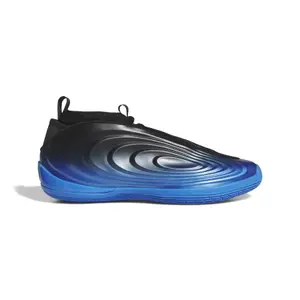
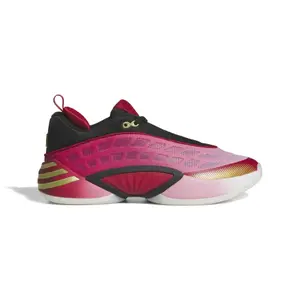
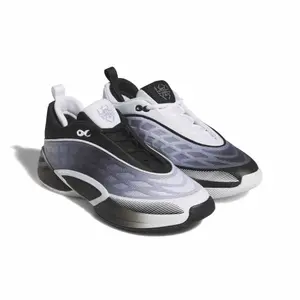
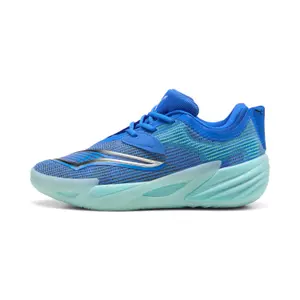
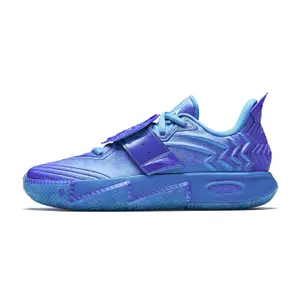
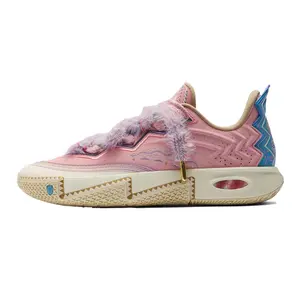
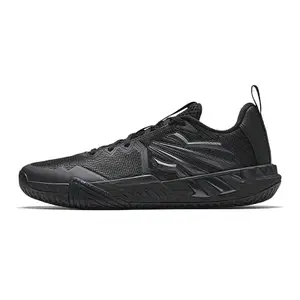
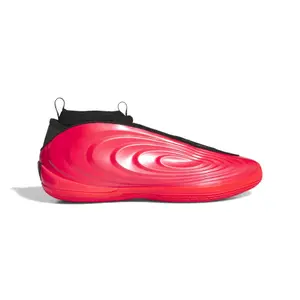


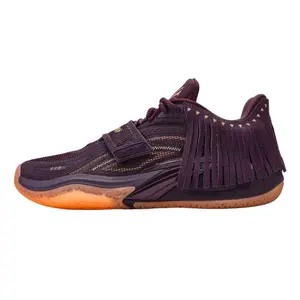


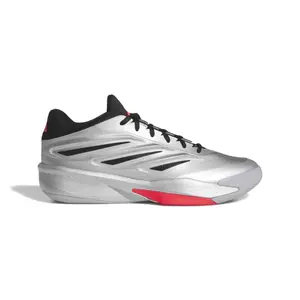
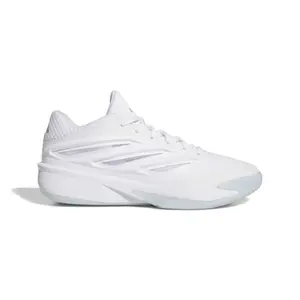
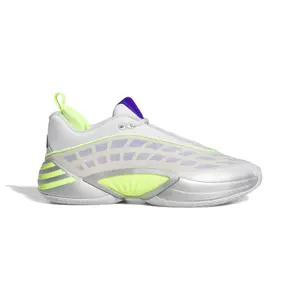
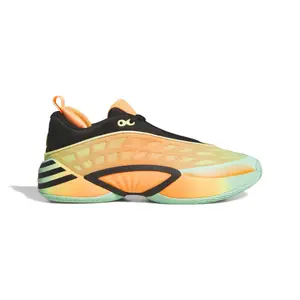
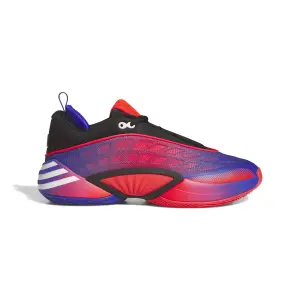
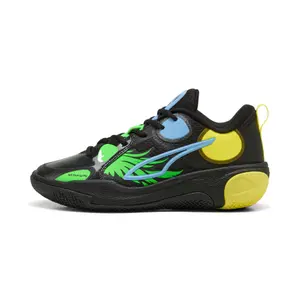


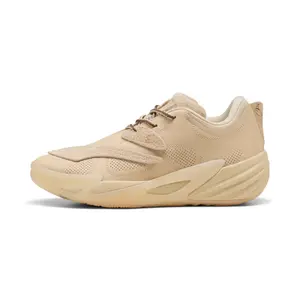
Low or high cut, firm or thick cushioning, rubber for indoor courts or asphalt, these are the three settings of a pair of basketball shoes, well before the colour. The models gathered here cover club, playground, and training styles for men, women, and juniors.
Indoor shoes, low and lightweight, also have their place for players who want agility and grip on the court.
Your position and build come first
The right model depends primarily on what you do on the court and your weight, not the brand. A guard who weighs seventy kilos and relies on crossovers does not have the same needs as a centre fighting for rebounds.
- Guard and shooting guard: focus on agility. A sole close to the ground, a good grip for quick direction changes, and responsive cushioning rather than thick padding.
- Forward: the most versatile profile. They attack the rim, defend multiple positions, and often jump: aim for a balance between cushioning and lateral support.
- Interior and centre: contact, screens, and heavy landings require thick cushioning under the heel, a wide base, and a collar that secures the ankle well.
The heavier your build, the more cushioning matters. A lighter player can make do with a thin sole and gain a better feel for the court.
Low, mid or high cut: what it changes
The height of the collar balances freedom of movement for the ankle and the feeling of support. No height is inherently better.
- Low cut allows the ankle to move freely and makes the shoe lighter. It's the choice of quick players who start and stop constantly.
- Mid cut wraps around the top of the foot without restricting the joint. This is the most common height in clubs.
- High cut reassures interiors and players who want a very secure fit, at the cost of a little extra weight.
Support doesn't just come from the collar. A rigid heel counter, lacing that tightens well around the midfoot, and a sole that is wider than the collar also help limit foot movement in the shoe.
Understanding a sole: foam and rubber
A sole can be read in two layers: the midsole, which cushions, and the outsole, which provides grip. Each brand has its own proprietary foams, like Boost and Lightstrike from adidas, Nitro from Puma, or TAICHI from Peak.
When it comes to rubber, look at the pattern. Tight herringbones or star-shaped grooves grip the court in all directions. A soft rubber grips well indoors but wears out quickly outside; a hard rubber holds up better on concrete. One locker room tip: wipe the sole with the palm of your hand during stoppages, as dust from the court is the number one enemy of grip.
Club court or playground
An indoor shoe doesn't like concrete. On an outdoor court, the surface wears down the rubber and smooths the pattern in a matter of weeks.
If you mainly play outside, look for a thick sole and hard rubber, often marked as outdoor. If you alternate, ideally have two pairs: one for indoor games, another for the local court. This way, your match pair retains its grip all year round.
The indoor option: lightness and grip
Many pairs on this page are indoor shoes designed for other indoor sports, and many basketball players adopt them. They are low, lightweight, and have very soft rubber that sticks to the court.
The lighter guard benefits from improved speed. The interior, however, loses thickness in cushioning and ankle support: for competitive basketball, a shoe designed specifically for basketball is still the safest choice. The sport for each model is indicated on its page.
By audience and brand
To save time, each audience and brand has its own page.
- Men's shoes gather adult sizes, from signature lines to team models.
- Women's shoes include women's cuts and unisex models available in smaller sizes.
- Junior shoes are aimed at young players, with lace-up or Velcro models.
- The adidas page groups the NBA signatures of the brand and its indoor shoes.
- The Nike page showcases its indoor shoes, lightweight and grippy.
- The Puma page includes LaMelo Ball's line and its Nitro foam models.
- The Chinese basketball brands each have their page: Anta, Peak, Rigorer and 361°.
- The Under Armour page focuses on lightweight shoes for speedy players.
- Other brands complete the selection with specialists in indoor shoes.
The brands that outfit our players
Six brands make up the bulk of the pairs chosen on Basket-Center, and none play the same role.
- adidas outfits all positions, with signatures from Anthony Edwards, James Harden, Donovan Mitchell, and Damian Lillard, as well as indoor shoes like the Stabil.
- Nike is present with its indoor shoes, Hyperace, Hyperset, or Hyperspeed Court, which basketball players appreciate for their lightness.
- Asics is a reference in indoor shoes, with the Sky Elite for jumpers and the Gel-Rocket for beginners.
- Puma has built its basketball range around LaMelo Ball and its Nitro foam, nitrogen-injected to stay lightweight.
- Mizuno equips indoor players with its Wave plate, integrated into the sole for stabilizing landings.
- Li-Ning designs the Way of Wade line, developed with Dwyane Wade.
Saving on your pair
Several pages allow you to find the right fit without paying full price. The special offers page shows current discounts and the Black Friday page features a wide range of models in autumn. The Christmas shoe selection helps find a pair to gift, followed by the shoe sales. End-of-line products go to the clearance section, the latest releases are listed on the new arrivals page, and pairs ready to ship are on the shipped in 24h page.
Frequently asked questions
I also play volleyball or handball: can one pair be enough?
Yes, for a casual player who splits their time between indoor sports. An indoor shoe for volleyball or handball grips the court very well and is lightweight. If basketball is your main competitive sport, keep a basketball shoe for matches: it cushions jumps better and secures the ankle more effectively.
When should I replace my basketball shoes?
It depends on the number of sessions and the surface. The obvious signs: a smooth rubber that slips even when wiped, compressed foam that no longer bounces back, a heel that sinks on one side. A player who trains three times a week often sees these signs appear in less than a year.
Can I play basketball with running shoes?
It's better to avoid it. Designed for forward movement, running shoes have a thick heel and a soft collar that doesn't secure the foot during lateral movements. On a court, side movements and stops expose their shortcomings.
Does a new pair require an adjustment period?
Often, yes. The foam softens and the collar conforms to the foot after a few sessions. Wear it first in training before using it in a match, and keep the old pair handy just in case.
Do high-top shoes protect against sprains?
A high collar gives a feeling of support, but it cannot replace warming up, strengthening the ankle, or proper lacing. If you've previously had a sprain, consult a health professional who can recommend appropriate protection in addition to the shoe.