Outdoor basketballs
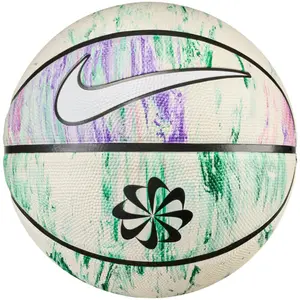
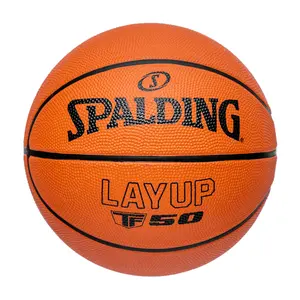
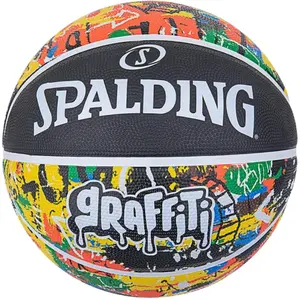
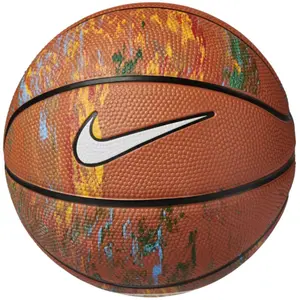
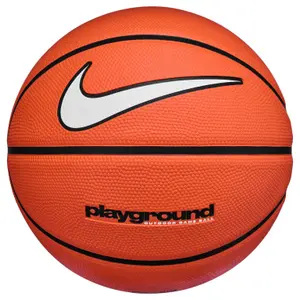
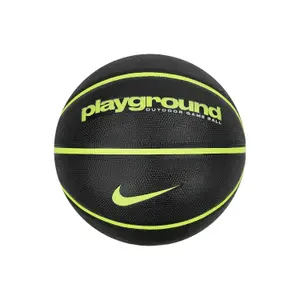
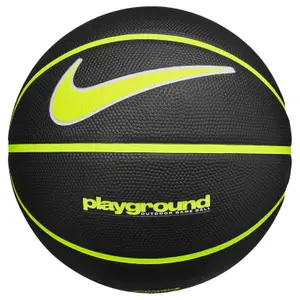
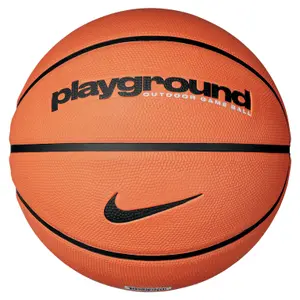
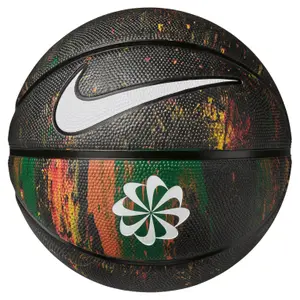
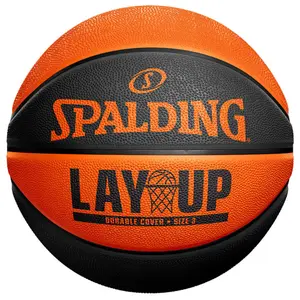
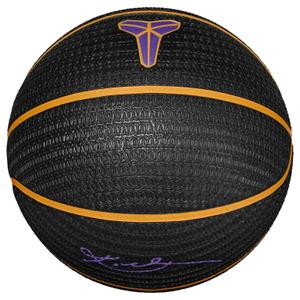


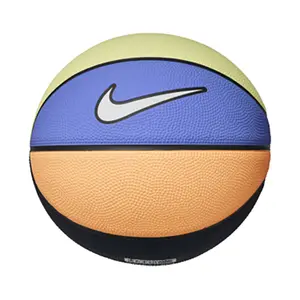

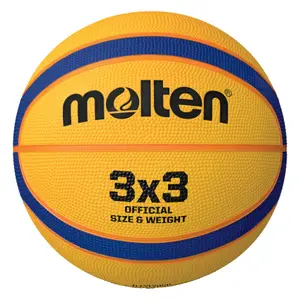


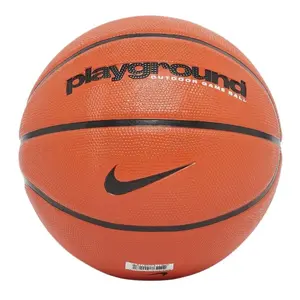
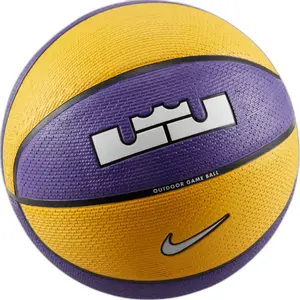
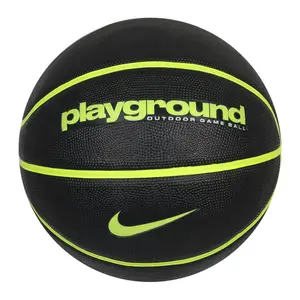
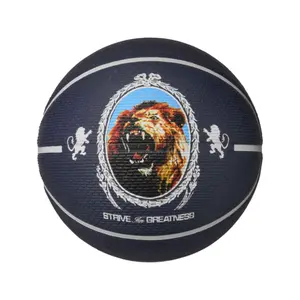
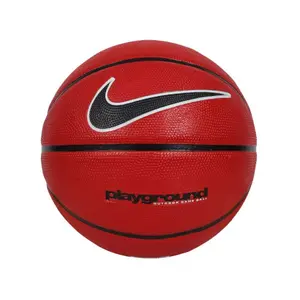
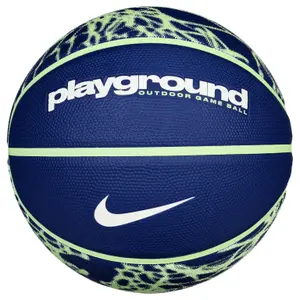
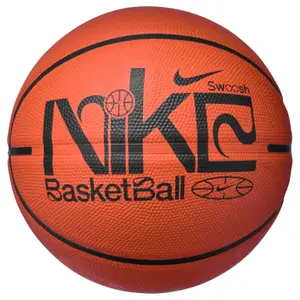
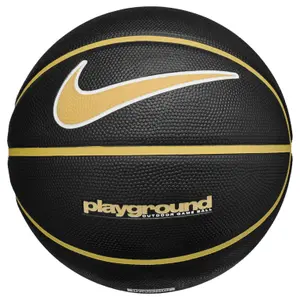
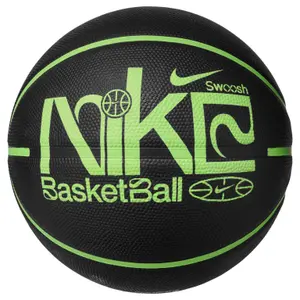
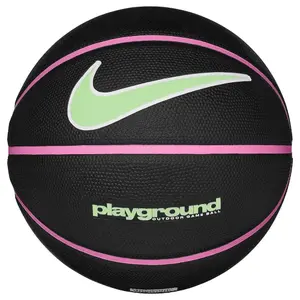
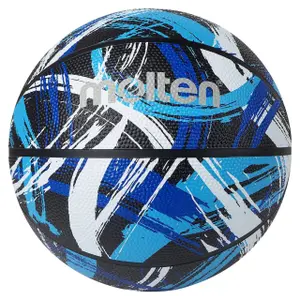
A court ball will leave its mark on the concrete after a few outings, while an outdoor rubber basketball maintains its texture and bounce through lots of playground games. Thick cover, deep channels, strong grip: it’s made for streetball, local 3x3 games, and garden hoops.
Rubber and deep channels: the anatomy of a street ball
It all starts with the outer cover. The rubber withstands the abrasion of asphalt and isn't afraid of moisture. More pronounced patterns and deeper channels than on an indoor ball ensure a good grip, even with dusty hands. Some models with eight panels, like those from Nike, increase the grip areas.
Rain, cold, sun: what the outdoors does to the ball
The cold reduces the pressure: a ball left in a garage over winter bounces soft. A quick pump-up before playing solves the issue. Conversely, a day in bright sun makes it inflate slightly. After a game in the rain, wipe it down and let it air dry, never near a heat source.
Streetball and 3x3
The half-court requires a ball that can handle low dribbles and crossovers on a rough surface. For 3x3 among adults, go for the size of your category: size 7 for men, size 6 for women. The grip of a street ball assists with quick passes when hands are sweaty under the sun.
Delivered deflated: the Deflated models
Several Nike balls on this page are shipped deflated, marked by the term Deflated in their name. So you'll need a pump with a needle for the first inflation. Inflate to the pressure indicated near the valve, then check the bounce before the first game.
One surface, one page
Do you also play indoors? The indoor balls made of composite leather are designed for the court and club matches. The indoor/outdoor balls seek a balance between the two. The page balls by surface brings them all together.
The playground brands
Each brand has its own way of playing outdoors.
- Molten offers the B33T2000, its street ball.
- Wilson adapts the NBA ball for outdoor use with the Authentic Series Outdoor and the DRV Plus.
- Spalding goes for the Layup TF-50 in rubber, a classic for beginners.
- Nike occupies a large part of the page with the Everyday Playground and street balls named after Kobe Bryant and LeBron James.
- Baden Sports adds its balls made for outdoor play.
- Tremblay CT, a specialist in club equipment, completes the offering.
A street ball at a nice price
Great deals can be found on the bargain pages. The Black Friday balls and the selection of Christmas balls mark the end of the year, followed by the sales. The 24-hour shipping items go fast, and the clearance keeps the end-of-line products.
Frequently asked questions
Can an outdoor ball be used indoors?
Yes, it stands up well on a hardwood floor. Its feel is simply harder and its grip not as refined as a composite one. It won't be accepted in official matches, but it makes a good warm-up ball.
Why does my ball lose air in winter?
The air contracts with the cold, so the pressure drops without any leaks. Inflate it to the correct pressure before playing. If it deflates again in a few days at normal temperature, the valve or bladder is to blame.
What size for a child playing in the garden?
A size 3 for toddlers, then a size 5 up to U11. A ball that's too heavy can tire small wrists out quickly and discourage play. The page offers these small sizes in rubber models.
How to make a street ball last?
Don't sit on it and don't kick it, as this can deform the bladder. Store it safely rather than in the garden. Check the pressure each week: an under-inflated ball wears out faster on asphalt.
How to inflate a delivered deflated ball?
Moisten the needle, insert it straight into the valve, and inflate with short bursts. Stop at the recommended pressure near the valve, usually between 0.49 and 0.63 bar. Let it rest for an hour, then check again before playing.