Men's basketball socks


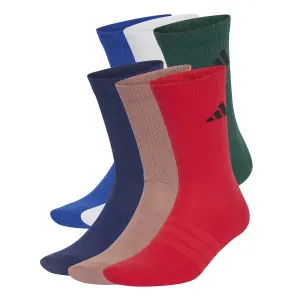



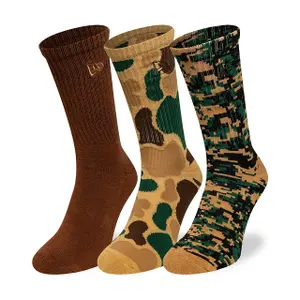


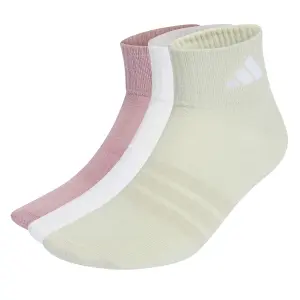


Like a shoe, a men's sock is chosen based on size, and a pair that is too small will pinch your heel right from the first run. This page mainly features unisex models and a few men's styles, ranging from non-slip match socks to striped city socks.
Children's sizes are also included, which can be found using the age filter.
Shoe Sizes: Reading Sock Size
A sock is sold by shoe size range, for example 43/46, or by a letter indicating a range. The right size is the one that includes your sports shoe size, not your city shoe size if it differs. Each brand has its sizing chart, which you can check in the guide on the sheet.
When your size is between two ranges, consider the shape: a sock with a shaped heel tolerates less variation than a tube model.
Big Feet: Avoid Socks That Slip or Are Too Tight
Beyond size 46, not all socks will fit. Some brands stop at size 43/46, others go higher, like the Erima Grip which comes in 47/50. A sock that's too small positions the heel below the arch and ends up slipping in the shoe.
Check the last available size before buying, and prefer models with an elastic band under the arch, which keep the sock in place even on larger feet.
Match, Gym, City: A Height for Every Use
Each use calls for its own height. For matches and training, mid-calf socks protect the ankle from friction with high shoes. In the gym or for running, a low model is lighter. In the city, high striped socks are part of the retro style and are intentionally visible above the trainers.
Three Stripes, Retro Stripes, Grip: Men's Socks by Brand
These brands are the ones men most often choose on the site for their socks.
- adidas offers packs of cushioned socks with three stripes and mid-calf basketball models.
- Rigorer designs breathable mesh game socks, with non-slip threads and cushioning at the ankle and toes.
- Errea provides simple and durable club socks like the Comfort or Active.
- Mizuno focuses on a multi-sport sock that performs well in the gym.
- New Era offers striped retro socks and packs of high socks.
- Erima features the Grip, with a non-slip sole and left-right shape.
Stock Up on Pairs Without Spending Too Much
Socks wear out quickly, so it's good to check the right pages. The clearance section offers end-of-line items, and the deals page gathers current discounts. Before holidays, the Black Friday textile lowers prices, and the sales follow. For a weekend tournament, consider items shipped within 24 hours.
Moving Up to Other Men's Outfit Pages
Once the socks are chosen, the other men's pages complete the look. The men's shorts and men's jerseys make up the match outfit. The men's t-shirts and men's baselayers cover training. For before and after, check out the men's sweatshirts, men's jackets, men's trousers, and men's tracksuits.
Frequently Asked Questions
Should I choose the upper range when I'm on the limit?
Yes, usually. If you wear size 46 and the range stops at 46, choosing the upper range prevents the heel from lifting under the foot. A slightly larger sock stays in place better than one that's too small.
Why do my socks tear at the big toe?
Often because the shoe is a bit short or the nails rub against the mesh. A reinforced sock at the toes lasts longer. Also, check your shoe size: a tight foot wears out the sock first.
When should I replace my basketball socks?
As soon as the cushioning has flattened under the heel or when the elastic no longer holds the calf. A loose sock creates folds in the shoe and rubs. For a player who trains often, regular replacements are normal.
Cotton or synthetic for feet that sweat a lot?
Synthetic materials, such as polyester or polyamide, wick moisture away better and dry faster. Cotton absorbs sweat but stays damp. Sports models often blend the two together for some softness.
Do striped city socks hold up in training?
They can work in a pinch, but they have no reinforcements or cushioned areas. For regular play, a sports sock performs better and offers more protection for the foot. Save the retro models for the city or the stands.