Weight training for basketball

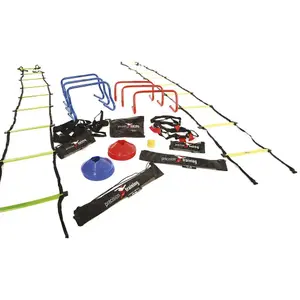
The dunks we see in highlights are often prepared far from the spotlight, in a gym. This page brings together equipment to build strength and explosiveness: dumbbells, kettlebells, medicine balls, bars and weights, benches, racks, and accessories.
Choose a type of equipment, then filter by weight or brand.
Nine types of equipment, from dumbbells to racks
Weightlifting is divided into nine pages, depending on the equipment you're looking for.
- Dumbbells, fixed or adjustable, cover the strengthening of both the upper and lower body.
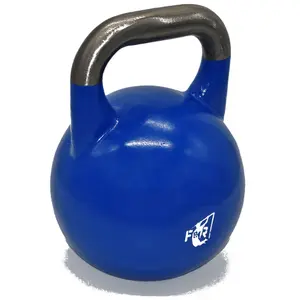
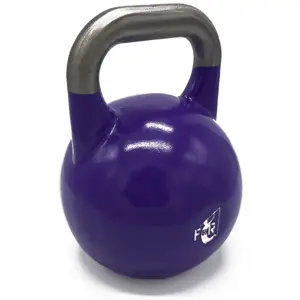
- Kettlebells are used for swings and ballistic movements.
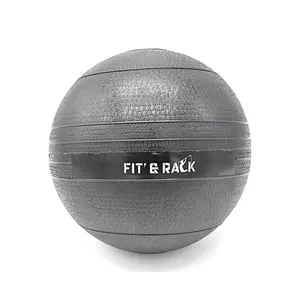
- Medicine balls and slam balls can be thrown, caught, and slammed onto the ground.
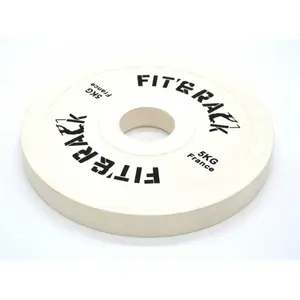
- The bars and weights page includes weightlifting bars, plates, and pull-up bars.
- Weight benches are used for bench presses and seated exercises.
- The cages and racks page offers equipment for heavy lifting safely.
- Weight machines guide movement, from the press to the dip bar.
- Weightlifting gloves protect hands on the bars.
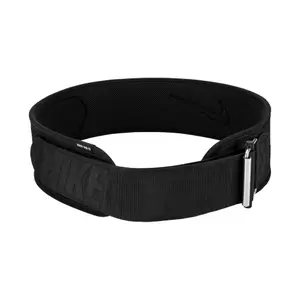
- Weightlifting accessories complement your setup with handles, supports, and training equipment.
Power and explosiveness: the equipment that appeals to a basketball player
A basketball player mainly looks for explosiveness: jumping faster, starting stronger, and holding their ground. The medicine ball is thrown against a wall to work on upper body power, like a strong pass. The slam ball, which doesn’t bounce, is slammed onto the ground with full force. The kettlebell, during a swing, works the posterior chain engaged during jumps. Strength training with a bar and weights builds the foundation for explosiveness. Your strength coach will help you adjust the weights.
Equipping a corner of your home or club gym
At home, space determines everything. A pair of adjustable dumbbells, two kettlebells, and a medicine ball fit into a cupboard. A foldable bench can be added if you have a bit of space. For a club or association, a rack and a set of bars and weights can transform a room into a training facility. Measure the ceiling height before buying a rack.
Getting well-equipped for safe lifting
Safety starts with technique, learned with a coach. The equipment helps too: weight collars keep the plates on the bar, a rack with safety features allows you to lift alone, and gloves prevent the bar from slipping out of your hands. A ground mat protects the floor and cushions the load drops.
Brands of weightlifting equipment
These manufacturers provide the equipment on this page.
- Sporti outfits collective gyms with steps, ball racks, dumbbells, and small equipment.
- VirtuFit offers equipment for home training, including cast iron plates and kettlebells.
- Tremblay CT supplies medicine balls, storage racks, and collective training equipment.
- Sveltus, a French fitness brand, offers kettlebells, dumbbells, and medicine balls.
- Avento rounds off with accessible fitness equipment for beginners.
Gain power without breaking the bank
Weightlifting equipment lasts a long time, making it a good purchase during sales. The Black Friday and the sales are key times, and clearance sales dispose of end-of-line items. Good deals come up all year round.
Frequently asked questions
Fixed or adjustable dumbbells?
Adjustable dumbbells allow you to change weights with a single pair, which is ideal when space is limited. Fixed dumbbells are faster to pick up and put down, handy for chaining exercises. At home, adjustable ones are often the best compromise.
What kettlebell weight should I start with?
The right weight depends on the exercise and your level: you need to be able to maintain proper form until the last repetition. It's better to start too light than too heavy. Your coach or trainer will help you choose.
Medicine ball or slam ball: what's the difference?
The medicine ball bounces, you can throw it against a wall and catch it. The slam ball, which is softer and filled with sand, doesn't bounce: it's made to be slammed onto the ground. Both work on explosiveness, with different exercises.
Do I need gloves for weightlifting?
They're not mandatory, but they improve grip and prevent blisters on the bars. Some prefer chalk, which keeps direct contact with the bar. For hands that sweat a lot, gloves are still practical.
What space should I plan for a rack at home?
Account for the width of the bar, plus a bit of space on each side for loading the plates. Check the ceiling height, especially for pull-ups. A solid ground and a protective mat are essential.