Basketball socks: cushioning and grip


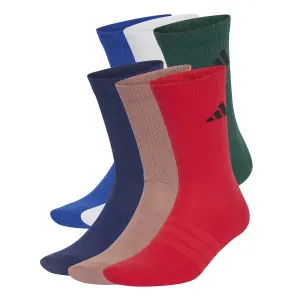


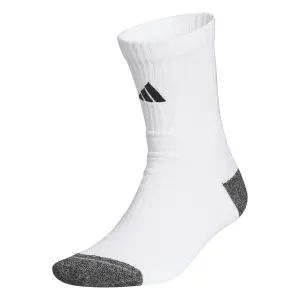
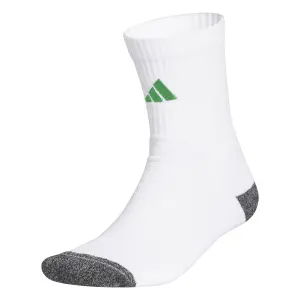
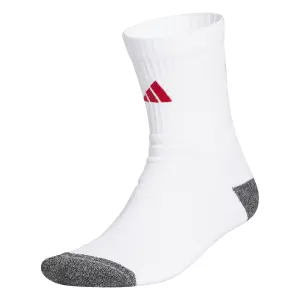
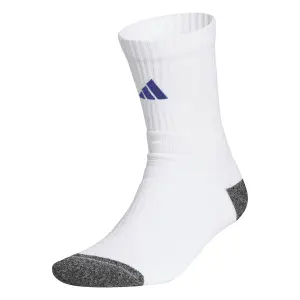


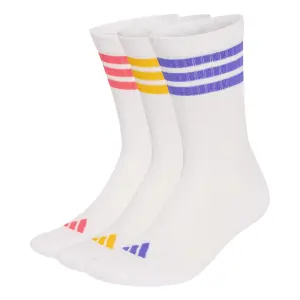


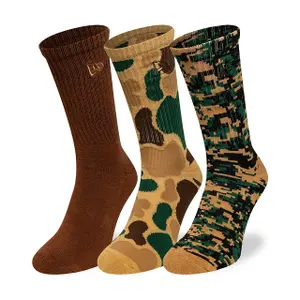
On a twenty-eight-metre court, every sudden stop and change of support first goes through your basketball socks, wedged between your foot and the sole. This page brings together low, mid-calf, and high models, cushioned or thin, with non-slip or classic soles, for matches, training, and everyday wear.
Low, mid-calf, high: choosing the height
The height is chosen based on your shoe and playing style. Low socks are suitable for low shoes and everyday wear, but they leave the top of the heel exposed to friction from a higher boot. Mid-calf, the most common in basketball, covers the ankle and protects against rubbing from the shoe collar. High socks go up to just below the knee and are worn for style or with a knee brace.
With a high shoe, avoid models that are too low: the edge of the boot rubs directly against the skin.
Heel, toes, arch: where to place reinforcements
Reinforcements are placed where the sock wears out and rubs the most. At the heel and toes, a thicker or sponge mesh delays wear and protects against repeated impacts. Under the arch, a tighter band keeps the sock in place so that it doesn’t twist in the shoe. On the top of the foot, a mesh area allows heat to escape.
Models like the Erima Grip combine reinforced heel and toes, mesh on the instep, and a left-right fit.
Thick cushioning or fine mesh: depending on your shoe
The thickness of the sock changes the feeling in the shoe. A cushioned sock, with a sponge sole, adds comfort underfoot and fills a slight excess of volume in the shoe. Fine mesh gives more sensation of the floor and is suitable for shoes that are already well-fitted.
Always try your basketball shoes with the socks you wear in games: a thick sock can make you lose half a shoe size.
The grip, a sole that sticks in the shoe
Non-slip socks have little nubs or sticky bands under the sole and sometimes at the heel. They limit foot slipping inside the shoe during changes of direction. You can find them in various brands on the page, from match models to club socks.
This grip works inside the shoe, not on the floor. The adhesion to the ground is the responsibility of the shoe's sole.
Six names to know for your socks
These brands are the ones that customers on the site choose most for their socks.
- adidas offers mid-calf basketball socks, like the Crazy Lite and AE, as well as packs of three or six pairs for everyday use.
- Rigorer, a Chinese basketball brand, makes non-slip game socks with sponge ankle and toe areas, like the AR1 that matches the shoe of the same name.
- Errea provides club socks and non-slip Calza models.
- Mizuno offers a multi-sport sock, popular for indoor use.
- New Era brings striped city socks or those with MLB franchise logos.
- Erima, a German brand, offers the Grip and packs of short socks.
Packs and promotions to stock up the drawer
Socks wear out quickly, so it's best to buy them at the right time. The good deals and clearance collect discounts all year round. The Black Friday comes before the holidays, the Christmas textile page offers small gift ideas, and then the sales arrive. Packs of several pairs also remain the simplest way to reduce the price per pair.
The rest of the outfit, category by category
Once your feet are equipped, the other categories complete the outfit.
- For the game, the jerseys and shorts form the base.
- T-shirts and polos are for training and casual wear.
- For a layer close to the body, check out the baselayers.
- Before and after effort, sweats and jackets keep you warm.
- For the lower half, trousers and tracksuits complete the look.
Frequently asked questions
How many pairs should you have if you train several times a week?
Count at least one pair per session and one spare for the game, without waiting for the laundry. With three trainings and a game, four to five pairs of sports socks will help you avoid playing with a still damp sock. Packs are handy for that.
Why do some socks have a left foot and a right foot?
They follow the shape of the foot, with reinforcements placed in the right spots for each side. The sock has fewer folds and rubs less. Check for the L and R marking before putting them on.
What sock size to choose between two sizes?
Socks are sold in size ranges. If you're at the upper limit of a range, take the next size up to ensure the heel is in the right place. A sock that is too small pulls on the toes and wears out faster.
How to wash technical socks?
Turn them inside out and wash them at a low temperature, without fabric softener, which reduces moisture wicking. Avoid the tumble dryer to preserve elasticity and the non-slip nubs. They dry quickly in the open air.
Do compression socks help in basketball?
Some players wear them for the feeling of support on the calf. They are chosen based on calf and ankle measurements, not just shoe size. If you have circulation issues or an injury, seek advice from a healthcare professional before wearing them.